

Click the button to start reading
Leading Through Change Fatigue: Keeping Momentum When Everyone’s Tired of “New”
Rapid pivots help teams out-maneuver the market—until each “fresh initiative” triggers collective eye-rolls.
When the mere whiff of an update drains enthusiasm, you’re staring down change fatigue. The playbook below doubles as a stamina plan: scripts, pacing tricks, and recognition loops that keep innovation humming without burning people out.

The Reality of Change Fatigue
You’ve spotted the symptoms: glazed expressions in stand-ups, sarcastic Slack emojis, a collective sigh whenever a new slide deck lands.
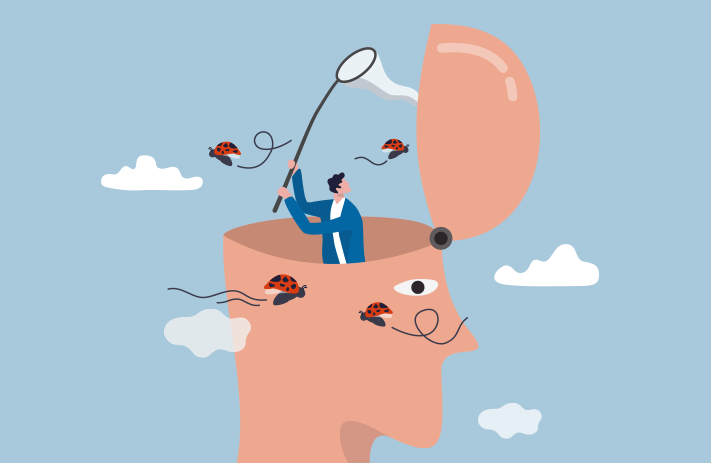
Change fatigue isn’t whining; it’s a neurological tax.
Each tweak to process, product, or policy forces the brain to decide, unlearn, relearn, and—crucially—trust again. Multiply that cost by weekly launches and your team’s willpower account plummets into overdraft.
Why it matters: fatigue erodes focus, inflates defect rates, lengthens cycle times, and swells turnover. Left unchecked, it desensitizes high performers—making genuine transformation feel like background noise.
The Neuroscience Behind the Yawn
Change triggers the limbic system’s threat scanner. Dopamine spikes at first (“Ooh, something novel!”) but vanishes the moment uncertainty outweighs potential reward.
Cortisol rises, prefrontal cortex bandwidth shrinks, and decision quality nosedives. That’s why small pivots feel bigger at 4:45 p.m.—the brain’s glucose is spent.
- Cognitive load: Every new SOP adds rules to remember.
- Emotional toll: Constant vigilance = micro-anxiety.
- Social friction: Shifts in roles can threaten identity and status.
Designing with brain chemistry in mind turns exhaustion into anticipation.
Diagnose Your Team’s Fatigue Signals
- Energy dip: Velocity metrics stall though workload appears steady.
- Change gossip: Side-channel chat questions leadership motives.
- Decision drag: Basic approvals linger as folks hesitate to sign off.
- Emotional leakage: Eye-rolls, “here we go again,” or dark humor in meetings.
- Silent quitting: Attendance without engagement—cameras off, creativity off.
Spot cues early and you can intervene before disengagement ossifies into departure.

Script #1 – The Story-First Announcement
Never open with specs. Lead with a mini-narrative that answers three primal questions: Why now? Why us? Why this crushes the status quo?
“Imagine our onboarding flow as a guided tour instead of a maze. In 30 days, customers will hit ‘aha!’ two clicks faster—saving 1,200 support tickets a month.”
Bait curiosity, anchor meaning, and finish in under two minutes—attention tails off after 120 seconds.
Script #2 – The Two-Speed Rollout
Change fatigue spikes when everyone adjusts at once. Channel product management’s canary release tactic:
- Pilot squad: Pick 10 % of users (or an internal tiger team) to test the change with a 72-hour feedback loop.
- Iterate loud: Share wins, fails, and tweaks in a live Teamly discussion thread.
- Scale smart: When friction slips below a pre-set threshold, deploy to the remaining 90 %.
Two speeds shrink risk, generate quick victories, and prove leadership is listening.
Script #3 – The Nudge-and-Nurture Loop
Push hard without support and fatigue blooms. Pair micro-nudges with hands-on nurture:
- Nudge: Contextual tooltips, 30-second Loom videos, or inline checklists delivered at use-it moments.
- Nurture: Weekly office hours, peer demos, and searchable FAQs embedded in Teamly’s project hub—so guidance lives where work happens.
Script #4 – The Consent Calendar
Borrow from nonprofit governance: bundle micro-changes into a monthly “consent calendar.” Stakeholders green-light the whole package unless someone pulls an item for discussion. Advantages:
- Reduces meeting time—debate only the deltas that matter.
- Makes change predictable—everyone knows when the package drops.
- Builds autonomy—teams manage small tweaks en masse.
Script #5 – The Retrospective Refill
Schedule short, structured reflections 10 days post-launch:
- Wins: What surprised us positively?
- Woes: What still jars the workflow?
- Wisdom: One small adjustment that would ease adoption.
Sense-making restores agency, preventing “change happens to me” mindsets.
Build Change-Resilient Muscles
1. Micro-Habits for Adaptability
- Daily synthesis: End stand-ups with a 60-second round: “What’s one thing that shifted yesterday?” Micro-journaling rewires the brain for pattern recognition.
- Skill swaps: Pair teammates to trade a workflow tip each Friday. Cross-training builds bench strength and breaks silos.
2. Leader Self-Care = Team Permission
When managers respond to every ping within 90 seconds, teams believe they must too. Model sustainable pace:
- Batch email twice daily.
- Block reflection time on the calendar—and let your status show it.
- Open meetings with a 60-second breathing exercise; cortisol levels drop, creative prefrontal areas re-light.
3. Remote & Hybrid Nuances
Distributed teams miss hallway whisper-checks that quietly normalize change. Address the gap:
- Create a #change-feed Slack channel that houses every rollout thread.
- Host asynchronous “ask me anything” sessions 48 hours after an announcement.
- Rotate time-zone-friendly office hours so off-shift contributors stay in the loop.
Pacing Tricks that Protect Willpower
1. The 90-Day Cadence
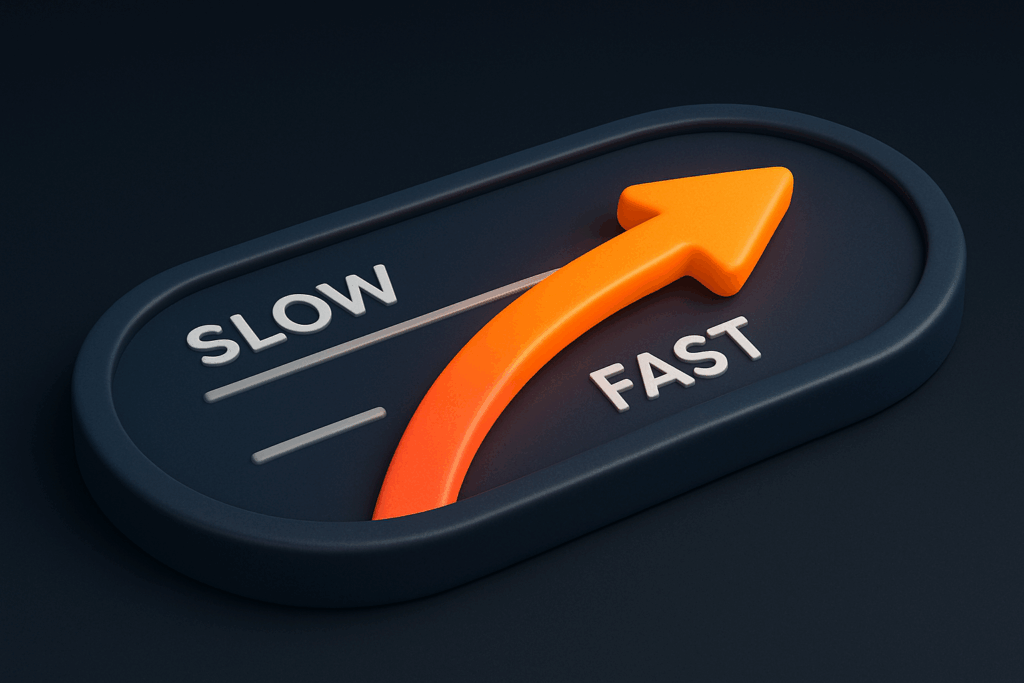
Group minor tweaks into quarterly “optimization sprints.” Your crew expects intensity windows, then recovery. It’s marathon training—hard days, easy days, no surprise injuries.
2. Buffer Weeks
Lock “maintenance weeks” on the roadmap where no new changes deploy. Use the space for bug fixes, experimentation, and reflection. By signaling rest, you legitimize breathing room.
3. Visible Backlog Parking Lot
Centralize every shiny idea in a public board. When execs lob yet another priority, simply point to the backlog. A transparent parking lot guards teams from strategic whiplash.
4. Metric Diets
Don’t drown people in dashboards. Pick a single north-star metric per initiative and sunset it once new behavior stabilizes. Fewer numbers = less mental switching.
Recognition Loops that Refill the Tank
Nothing accelerates recovery like timely, specific applause. Build recognition into the change architecture:
- Progress pings: Automated “milestone unlocked” notes in Teamly keep forward motion visible.
- Peer shout-outs: Dedicate five minutes at weekly kickoffs for teammates to spotlight adaptation wins.
- Metric showcases: Publish micro-charts to display the exact delta each change delivered—reduced clicks, boosted NPS, dollars saved.
- Surprise sabbaticals: After a marathon pivot, raffle a three-day weekend. Rest as reward.

Case Study: Pivot-Proof at FinTechCo
FinTechCo faced three product relaunches in eight months—support tickets ballooned 70 %, morale tanked. They applied the two-speed rollout plus buffer weeks. Within one quarter:
- Ticket volume dropped 42 %.
- Employee eNPS climbed from –10 to +28.
- Release velocity increased 15 % because fewer bugs surfaced.
Recognition loops—public Slack kudos and monthly “change champion” awards—sealed cultural buy-in.
Measure Momentum—Without Overload
| Signal | Check-in Rhythm | Tool |
|---|---|---|
| Adoption rate | Daily for pilots, weekly post-scale | Teamly dashboards |
| Mood pulse | Biweekly | Anonymous 3-question survey |
| Error volume | Weekly | QA logs |
| Meeting load | Monthly | Calendar audit |
Your Next Move
Change fatigue is optional. Script resonant stories, pace initiatives with athlete-grade rest, and braid recognition into daily rhythms. Select one script to pilot this week—maybe the story-first announcement for your upcoming feature tweak. Get that quick win, share it loudly, and watch “new” feel energizing again.
Quick Checklist
- Draft the mini-narrative before posting specs.
- Select a pilot squad and define success thresholds.
- Schedule buffer weeks on the roadmap now.
- Automate progress pings in Teamly to keep wins front-and-center.
- Close each sprint with a Retrospective Refill session.
Approx. 2,450 words • Placeholder images: 1792 × 1024 px • Mention of Teamly software included