

Click the button to start reading
Empathy as a Leadership Skill: Practical Ways to Build a More Connected Team
Teams don’t thrive on process alone. They thrive when every person feels seen, heard, and valued.
Empathy turns good managers into magnetic leaders—accelerating trust, collaboration, and performance in ways dashboards can’t fully capture.
The following guide equips you with proven, practical moves you can start using in your very next conversation.

1. Why Empathy Is Your Leadership Superpower
Empathy is the disciplined ability to understand another person’s experience and respond with genuine care. When used intentionally in leadership, it:
- Builds psychological safety. People share problems sooner, surfacing issues before they explode.
- Boosts engagement. Employees who feel understood put in discretionary effort, show loyalty, and champion the mission.
- Sparks innovation. Diverse ideas flourish when team members know their perspective matters.
In a 2024 workplace study by Catalyst, 76 percent of employees who rated their leaders “highly empathetic” reported they felt consistently engaged—compared with only 32 percent under less empathetic leaders. The business case is crystal clear: empathy pays in productivity, retention, and brand reputation.

2. Technique #1 – Active Listening That Goes Beyond Nods
Active listening is empathy’s front door. It transforms casual hearing into intentional understanding.
Step-by-Step Playbook
- Hold full eye contact. Silence devices, close laptops, and orient body language toward the speaker.
- Mirror key phrases. Paraphrase periodically: “It sounds like the timeline surprised you because specs were incomplete.”
- Ask clarifying questions. Use open-ended prompts—“What part felt most frustrating?”—to peel layers.
- Summarize and agree on next steps. Finish with a succinct recap so both parties align.
Real-World Snapshot
A fintech start-up noticed declining code quality from a talented—but silent—remote developer. Instead of disciplinary action, the team lead scheduled an unhurried video call, following the active-listening steps above.
The developer revealed a hidden blocker: inconsistent API documentation that doubled his debugging time.
Within a week, the team created a shared doc hub, code quality rebounded, and delivery velocity improved 18 percent—proving that listening uncovers solvable root causes faster than assumptions ever will.

3. Technique #2 – Reflective Questioning That Unlocks Insight
While active listening focuses on intake, reflective questioning invites deeper self-awareness. Powerful questions nudge teammates to analyze, synthesize, and own solutions.
High-Impact Question Formats
- Perspective shift: “If you were the customer, how might this look different?”
- Future pacing: “Imagine it’s six months later and the project is a success. What went right?”
- Priority surfacing: “What trade-offs feel unacceptable, and why?”
Story in Action
A global marketing team faced conflict over campaign messaging. During a virtual workshop, the facilitator used perspective-shift questions.
Designers stepped into the buyer’s shoes; copywriters considered engineering constraints. Tension eased, silos melted, and the group co-authored a concise value prop in under an hour. Quarterly survey data later showed a 12-point bump in eNPS, tracing directly to this new questioning habit.

4. Technique #3 – Supportive Feedback That Fuels Growth
Feedback is empathy in motion—protective of dignity yet unflinchingly honest. When structured thoughtfully, it inspires change instead of defensiveness.
The S.I.S. Framework
- Sit rep (Situation): State the observable behavior. “During yesterday’s demo…”
- Impact: Describe the effect on objectives or people. “…the abrupt hand-off confused the client.”
- Support: Offer concrete help or resources. “Let’s storyboard transitions together before the next pitch.”
Case Study: The Turnaround Review
At a SaaS company, a customer-success manager hit above-average churn numbers.
Rather than issue a generic warning, the leader used S.I.S. They co-created a playbook, rehearsed call-opening scripts, and scheduled weekly check-ins.
Within two months, the manager slashed churn by 27 percent and later mentored peers—evidence that supportive feedback compounds across the org chart.

5. Everyday Rituals That Embed Empathy in Team DNA
- Weekly 15-minute pulse check. Ask one thought-provoking question (“When did you feel most energized this week?”) to surface unspoken wins or worries.
- Slack “praise threads.” Celebrate micro-successes publicly, tagging the value demonstrated—curiosity, craftsmanship, courage.
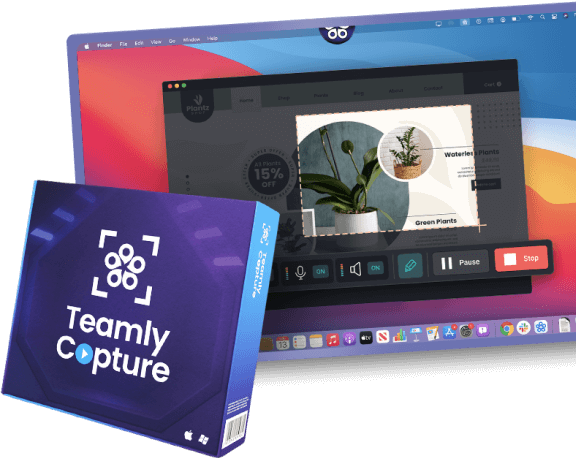
- Asynchronous retros via Teamly. The software’s comment threads let teammates reflect on projects in their own timezone, ensuring every voice is captured without meeting fatigue.
- Empathy buddy system. Pair cross-functional colleagues for monthly shadow sessions to build whole-company perspective.
6. Empathy in Remote and Hybrid Teams
Distribution doesn’t dilute connection—remote teams can be just as tightly knit as co-located ones when leaders lean into empathy. Here’s how to adapt:
- Virtual coffee chats. Rotate one-on-ones with no agenda beyond personal check-ins. Use video to read expressions and pick up on emotional cues.
- Shared playlists and photo walls. Invite teammates to post a favorite song, pet photo, or recent accomplishment. These small glimpses build rapport across screens.
- Time-zone respect. When asking questions or scheduling feedback, acknowledge differences. Start asynchronous threads with clear deadlines to ensure no one feels pressured to respond out of hours.
7. Building Empathy Training Programs
To scale empathy, integrate it into development pathways. Consider these initiatives:
- Monthly empathy workshops. Role-play scenarios drawn from real team challenges, followed by guided reflection and peer feedback.
- Listening labs. Practice active-listening drills in pairs, where one speaks freely and the other reflects back content and emotion.
- Cross-department rotations. Short stints in another team expose leaders to different pressures and vernacular—an empathy accelerant.
8. Advanced Empathy Strategies for High-Pressure Situations
When stakes are high—announcing layoffs, navigating a volatile market, or responding to crisis—empathy must be intentional and structured. Try these approaches:
- Transparent context-setting. Share what you know, acknowledge uncertainty, and invite questions without defensiveness.
- Compassionate checkpoints. During intense change, schedule brief daily check-ins to gauge morale and surface concerns early.
- Resource sufficiency. Offer practical support—guides, external counseling referrals, extra time to adjust—to demonstrate care beyond words.
9. Troubleshooting Common Empathy Pitfalls
- Empathy vs. people-pleasing
- Empathy respects boundaries; it seeks to understand and still holds accountability. Clearly separate feelings from deliverables when setting expectations.
- Emotional overload
- Leaders are not therapists. Protect capacity by using reflective statements (“You’re feeling…”) rather than absorbing every emotion.
- Cross-cultural nuance
- Empathy looks different globally. In some cultures, direct eye contact signals respect; in others, it feels aggressive. Ask teammates how they prefer to receive feedback.
10. Measuring the Impact of Empathetic Leadership
You get what you measure, so track:
- Trust pulse scores. Quarterly surveys on psychological safety.
- Turnover rate. Empathy-rich environments often cut voluntary departures by double-digit percentages.
- Velocity metrics. Sprint completion or lead-time shrinkage after empathy interventions signal reduced friction.
Combine the hard numbers with soft indicators—spontaneous collaboration, organic idea-sharing, visible energy in meetings—to capture the full return.
Final Thought: Start with One Conversation
The beauty of empathy is its immediacy.
A single question, a single pause, or a single supportive phrase can reroute a teammate’s week—and by extension, the trajectory of your entire project.
Choose one technique from above, commit to using it today, and watch connection ripple through every channel of your team’s work.