
Click the button to start reading
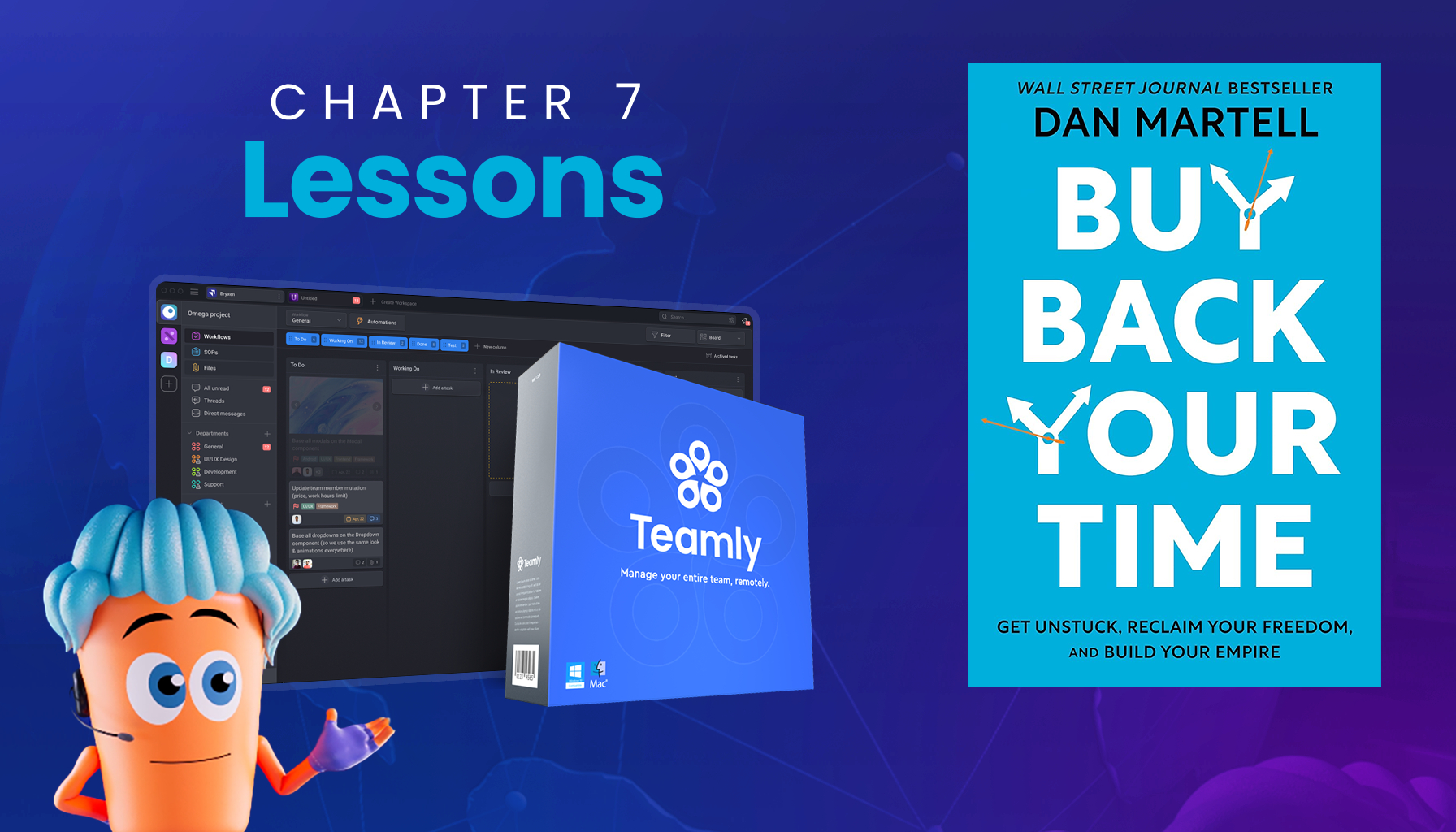
Discovering the Power of “Buy Back Your Time” by Dan Martell – Chapter 7
Hey there! If you’re anything like me, you’re always on the lookout for ways to streamline your business processes and scale efficiently. Well, I recently stumbled upon an absolute gem of a book that I just had to share with you. It’s called Buy Back Your Time by Dan Martell, and Chapter 7 is a treasure trove of insights on building playbooks. Trust me, you’ll want to read this!
Why Playbooks are Essential
Let’s start with the basics. Playbooks are essentially detailed guides or standard operating procedures (SOPs) for various tasks in your business. They help ensure consistency, quality, and efficiency by providing a clear roadmap for your team to follow. Think of them as your business’s secret sauce for success. Ray Dalio, one of the greatest investors, says, “Strategic thinking requires both diagnosis and design,” and playbooks embody this philosophy perfectly.

The Camcorder Method
One of the standout concepts in Chapter 7 is the Camcorder Method. The idea is simple yet brilliant: record yourself doing the task you want to delegate. This method not only saves you the hassle of repeatedly explaining the same process but also ensures that the training is consistent every time. I remember Dan Martell’s story about driving across the border to train his team. He realized that filming his training sessions could save him countless hours and ensure accuracy. So, grab your smartphone, hit record, and start creating those training videos!
Implementing the Four Cs
Dan introduces us to the Four Cs of a Playbook: Camcorder Method, Course, Cadence, and Checklist. Here’s a quick rundown:
- Camcorder Method: Create training videos.
- Course: Outline the steps involved in the process.
- Cadence: Determine how often tasks should be completed.
- Checklist: Ensure high-level items are completed every time.
As a digital marketer, I decided to implement these concepts in my own business. For example, I created a playbook for running Facebook ad campaigns. I recorded myself setting up a campaign, outlining each step in a Google Doc, and added a checklist to ensure nothing was missed. The result? My team could now handle ad campaigns with minimal oversight, freeing me up to focus on strategy and growth.

Cadence and Checklists
The cadence section of your playbook specifies the frequency at which tasks should be completed. This could be daily, weekly, or monthly, depending on the task. For instance, in a financial management playbook, daily tasks might include pulling cash reports, while monthly tasks could involve checking credit card statements for fraud.
Checklists are another crucial component. They ensure that all essential steps are followed without fail. Dan shares a story about a pilot friend who used a checklist to avoid a potentially dangerous situation. This emphasizes the importance of having nonnegotiable checklists in your playbooks.
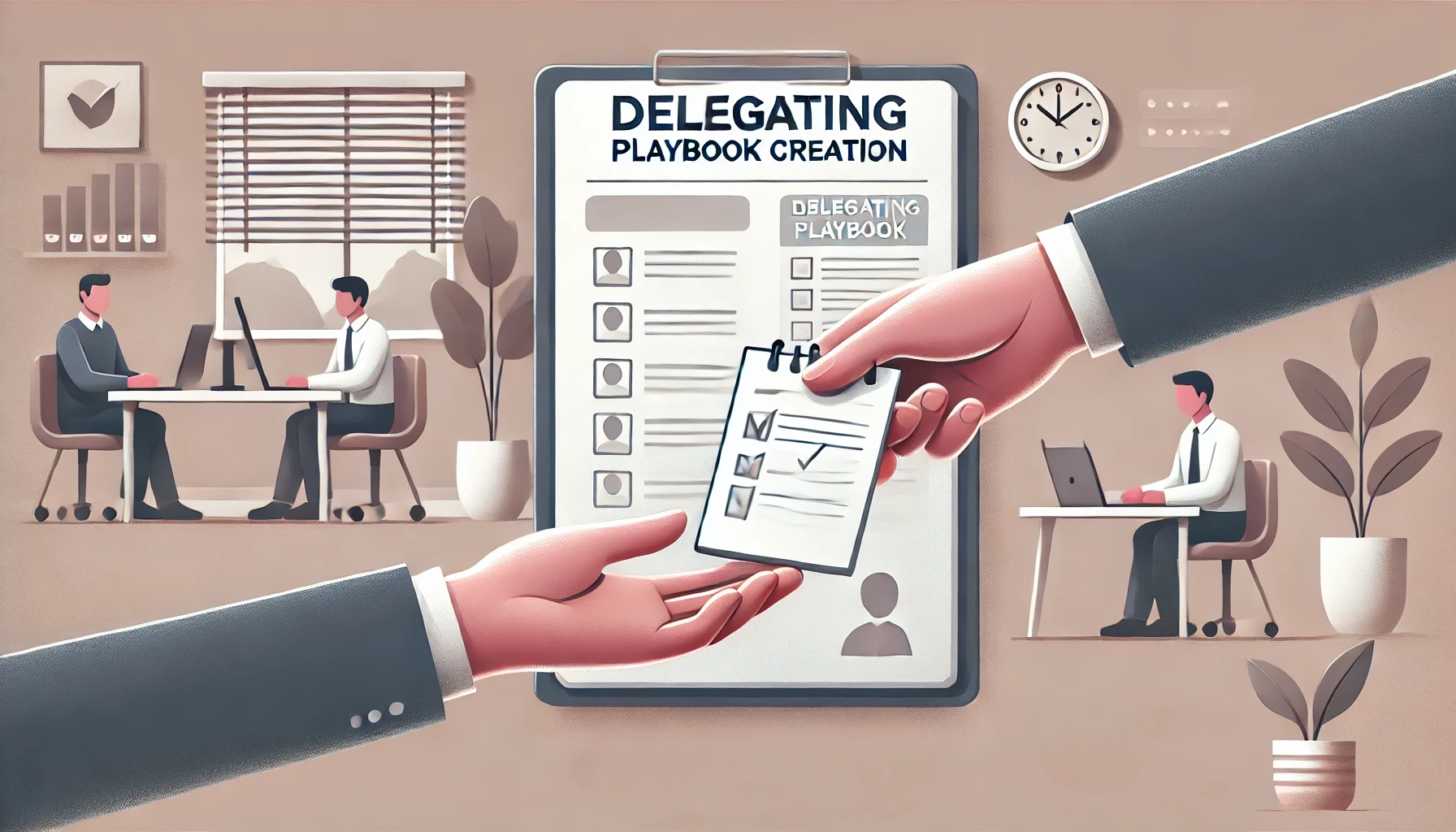
Delegating Playbook Creation
One of the most eye-opening tips in Chapter 7 is to have someone else create the playbooks. Using the Camcorder Method, you can record the process and then ask a team member to document it. This approach has several benefits:
- Ensures the person understands the process fully.
- Helps identify any missing steps that you might overlook.
For example, at Teamly, we implemented this strategy to create a playbook for customer support. I recorded myself handling various customer queries, and then had a team member create the playbook based on those videos. The result was a comprehensive guide that not only saved me time but also improved the quality of our customer support.

Start with One
Dan advises starting with just one playbook in an area that will save the most time and bring the most reward. Once you see the benefits, you’ll be hooked and want to create more. For instance, I started with a playbook for onboarding new clients. I recorded each step of the process, from the initial call to setting up their account in our system. This playbook has been a game-changer, reducing onboarding time and ensuring a consistent experience for all new clients.
Practical Implementation for Online Businesses
As an online business owner or digital marketer, here are some practical ways to implement these ideas:
- Social Media Management: Create a playbook for scheduling posts, engaging with followers, and running ads.
- Email Marketing: Develop a playbook for creating and sending newsletters, including templates and best practices.
- Content Creation: Record your process for writing blog posts, producing videos, or creating graphics.
Using Teamly’s software, you can easily organize these playbooks and share them with your team. The collaborative features allow everyone to access and update the playbooks as needed, ensuring everyone is on the same page.
Final Thoughts
Creating playbooks might seem like a daunting task at first, but the benefits far outweigh the effort. They not only save you time but also ensure consistency and quality in your business processes. If you want to dive deeper into these concepts and many others, I highly recommend getting a copy of Buy Back Your Time by Dan Martell. It’s packed with actionable insights that can transform the way you run your business. You can grab your copy here.