

Click the button to start reading
Onboarding That Actually Sticks: Crafting First-Week Experiences Employees Remember
You get only one chance to turn a fresh recruit into a motivated teammate.
The first week sets the emotional tone for an entire tenure, nudging performance trajectories up—or dragging them down—before day eight even begins.
This playbook shows you how to design a first-week journey that weaves belonging, clarity, and quick wins into every interaction, so new hires start strong and stay strong.
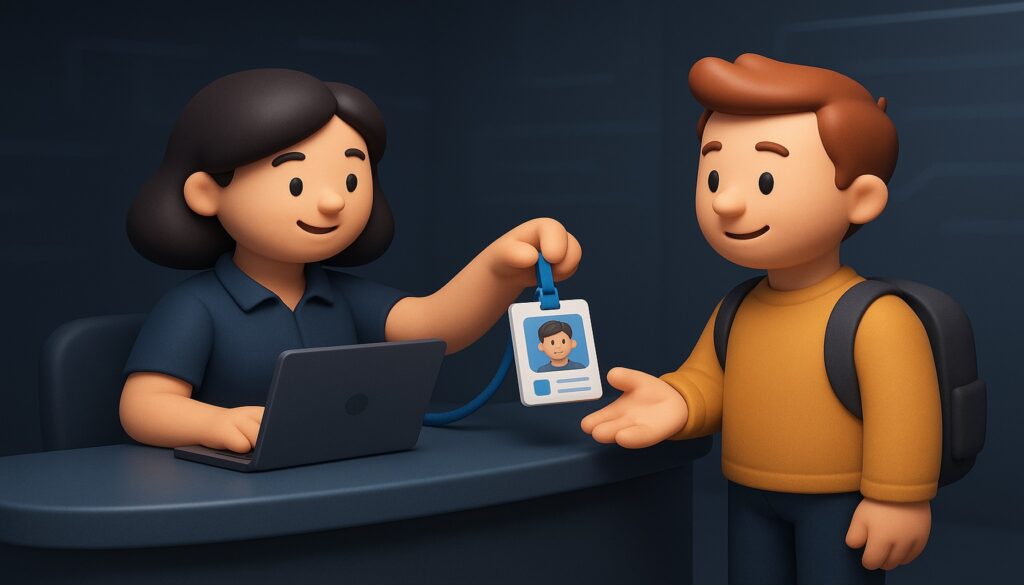
Why First Impressions Last a Career
Neurologically, the brain’s “novelty bias” floods new hires with dopamine during their earliest days.
Pair that rush with thoughtfully crafted moments and you anchor positive emotions to the company story.
Miss the mark, and anxieties cement instead. Employees who feel clear and connected in week one are 4× more likely to feel committed a year later, and they hit productivity milestones nearly 30% faster.
Bottom line? The on-ramp is your fastest lever for retention, engagement, and employer-brand magnetism. Treat it like a launch campaign, not paperwork administration.
Pre-Day One: Set the Stage Before the Curtain Rises
- Map day-zero touchpoints. Draft every email, Slack ping, and doorstep package a week in advance. Each micro-moment should answer two silent questions: “Am I welcome?” and “Do I matter?”
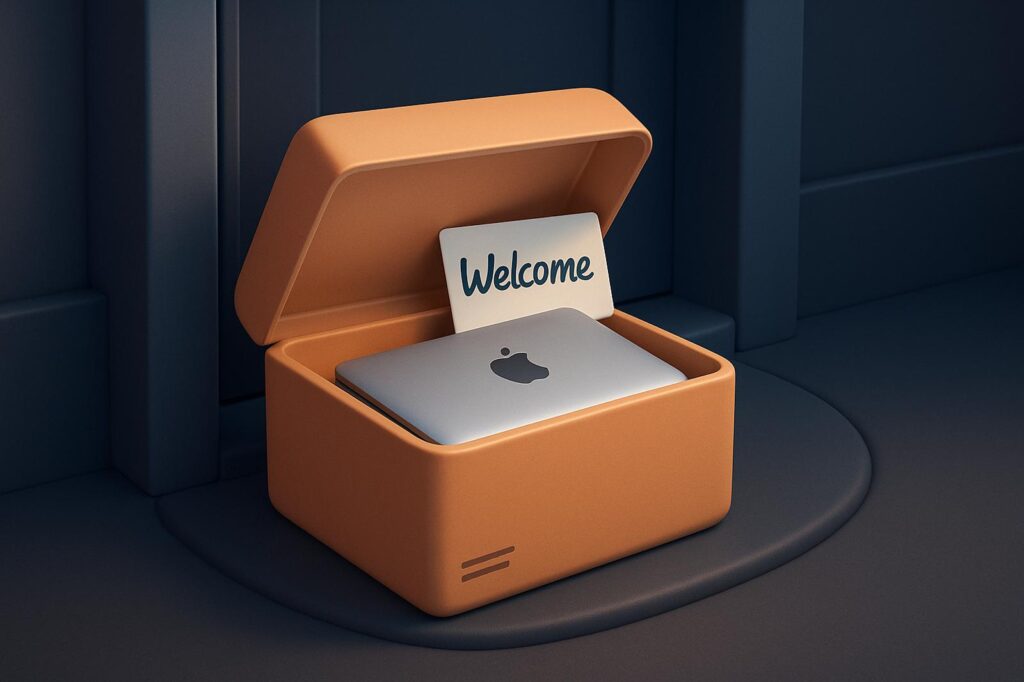
- Ship a “first-day kit.” Include branded swag plus a handwritten note from the hiring manager. Bonus points for a short Loom video introducing the team.
- Grant access early. Log-ins, calendars, and org charts should arrive before the laptop does. Nothing kills momentum like waiting for IT credentials.
- Pair a culture buddy. Assign a peer guide who checks in daily through week one and weekly through month one.
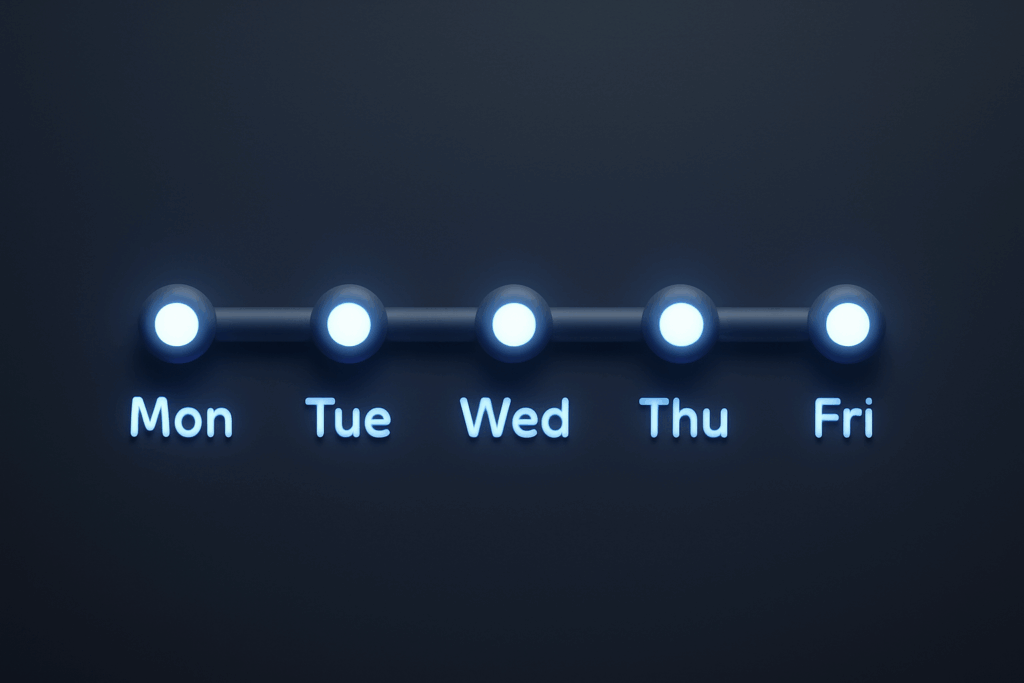
- Draft a 5-day agenda. Block focus blocks, social blocks, and quick-win blocks. Share it in advance so the new hire sees an intentional runway rather than a blank calendar.
Day One: Create Instant Belonging
The first 24 hours are all about emotional safety. Kick off with a high-energy welcome call—cams on, names pronounced correctly, gratitude expressed openly. Then move fast from introduction to participation:
- “First-five” story circle. Each teammate shares five slides or photos that capture hobbies, highlights, and hopes. New hire goes last—pressure relieved, context gained.
- Company tour, virtually or IRL. Swap dry policy briefings for a scavenger-hunt style walkthrough. Let them discover rather than endure.
- 90-minute tech sprint. Screenshare the essential tools—chat, project boards, Teamly workspaces—ending with the new hire posting a first update.
- Micro-deliverable. A tiny but real task (e.g., drafting a Slack poll question) that ships before 5 p.m. Early evidence builds competence and confidence in tandem.
Finally, schedule a 15-minute reflection to gather impressions and surface obstacles immediately. You demonstrate listening from hour one.
Day Two–Five: Momentum, Mastery, and Micro-Wins
Day Two: Build Context
Rotate through lightning talks—product, customer success, data, and finance each get 20 minutes plus Q&A. Anchor every segment to the shared mission so the newcomer sees the entire system, not siloed parts.
Day Three: Dive Into Role-Specific Shadowing
Shadow a peer on two live calls and one async review session. Use a shared note doc to capture “aha” moments and open questions. By day’s end, book solo calendar time for the new hire to digest and draft a skills-gap plan.
Day Four: Practice & Feedback Loop
Assign a stretch task with clear guardrails—think “draft a customer email” or “prototype a mini-dashboard.” Provide same-day feedback focused on one strength and one calibration point. Tight loops accelerate growth without overwhelm.
Day Five: Celebrate, Reflect, and Plan Forward
Host a 30-minute “week-one retro.” Ask, “What energized you?” and “What confused you?” Document insights publicly (inside your Teamly project board) to iterate next cohorts and prove psychological safety in action. End with a personal 30-day roadmap co-created between manager and hire.
Tools, Rituals, and Templates to Steal
- Daily “doors-open” block. One hour on the manager’s calendar labeled Ask Me Anything. No agenda, pure availability.
- “Show & Tell” Slack thread. At 4 p.m. each day, every new hire drops a screenshot of something they learned. Thread reactions double as lightweight gamification.
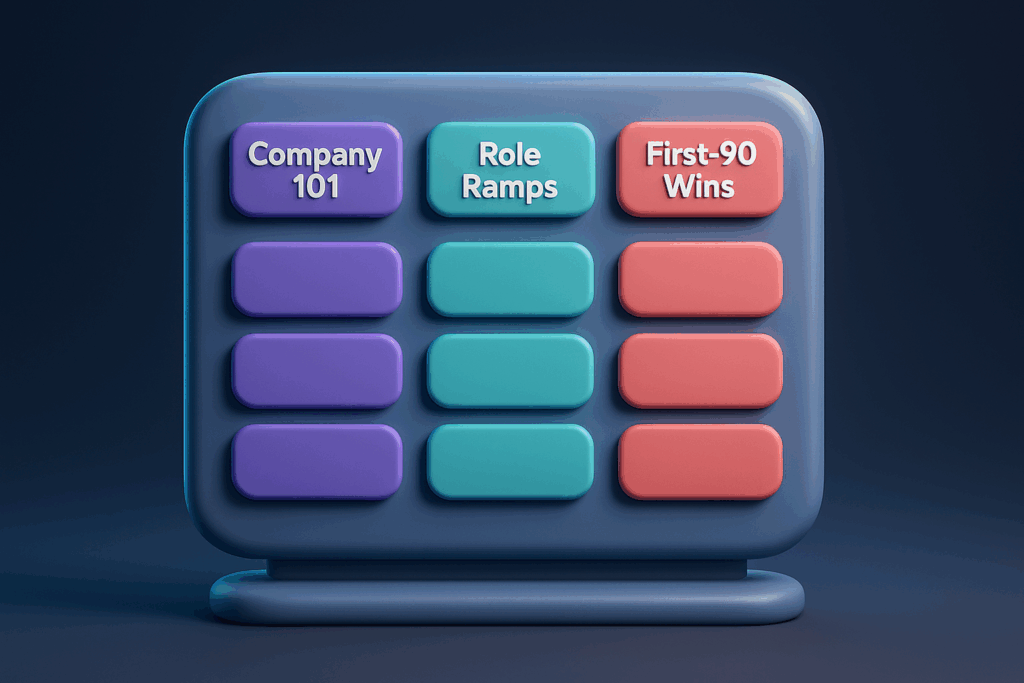
- Teamly Playbook Template. Spin up a Teamly board with columns for Company 101, Role Ramps, and First-90 Wins. Cards surface resources, owners, and due dates so nothing falls through the cracks.
- Loom library of mini-how-tos. Record once, reuse forever. New hires binge them Netflix-style instead of booking ad-hoc tutorials.
- Friday “First-Win Fanfare.” Shout-outs during the weekly stand-up reinforce that early impact matters.
Measuring Success and Iterating
Great onboarding is never “set it and forget it.” Track leading and lagging indicators to refine continuously:
| Signal | When to Check | Target |
|---|---|---|
| Week-one survey (belonging & clarity) | Day 6 | ≥ 90% positive |
| First-30 productivity score | Day 30 | Role-specific KPI on track |
| Voluntary turnover in first six months | Semi-annually | < 5% |
| Time-to-first independent project | Ongoing | ‒20% vs. prior cohort |
Pair the quantitative data with open-ended interviews to uncover nuance. Iterate agendas, buddy prompts, and toolkits every quarter.
Next Steps: Turn a Great Week into a Great Year
When onboarding feels like a curated experience rather than a checklist slog, new teammates don’t just remember their first week—they replay the story to friends, future candidates, and customers. Use this framework, customize it to your culture, and deliver a launch that lifts careers and company results alike.