

Click the button to start reading
Execution Isn’t Sexy, But It’s Everything: Turning Plans into Progress
You did the kickoff. The vision was clear. The energy was high. Everyone nodded, smiled, and got back to work. Fast-forward two weeks: what happened?
Here’s the truth: the magic is not in the kickoff. It’s in the persistence. It’s in the follow-up, the systems, the nudges, the updates, and the rewrites.
Great managers know that execution isn’t glamorous, but it’s what separates a good plan from a real result.
The companies that succeed? They aren’t always the ones with the boldest ideas—they’re the ones that keep showing up.

Why Execution Dies After Kickoff
Let’s break it down. You’re not dealing with laziness. Most teams don’t suffer from a lack of will—they suffer from:
- Vagueness: Everyone “knows the goal” but can’t say what it looks like on Tuesday at 2pm.
- Overload: Competing priorities bury the important beneath the urgent.
- Silence: After the kickoff, momentum fades. The plan isn’t mentioned again until the next meeting. Maybe.
Add in unclear ownership, unspoken hesitation, and unrealistic timelines—and suddenly a brilliant idea is gathering dust. If you’ve ever looked at a stalled project and thought “What happened?”—this is what happened.
But here’s the upside: execution can be systematized. With the right rhythms, tools, and mindset, you can make progress feel inevitable—not heroic.
1. Break the Plan into Movable Parts
Big goals stall because they’re too abstract. “Increase retention by 20%” sounds nice but means nothing unless someone knows: what should I do this week?
Great managers decompose the plan into practical chunks. This doesn’t mean micromanagement. It means chunking and sequencing—two words that will change the game for your team. Break the plan into clear, logical phases. Make each task doable, nameable, and visible.
Try these:
- Monday Missions: One priority per person, shared every Monday. No fluff. Just focus.
- 30–60–90 Roadmaps: Use phased check-ins to define early wins, middle refinement, and longer-term adoption.
- Checklist Milestones: Convert ambiguous goals into binary outcomes (Done/Not Done).
Bonus: when your team sees you carving up the goal into manageable bits, they feel less overwhelmed and more equipped. People don’t fear work—they fear confusion.

2. Set a Cadence—and Protect It
You need a heartbeat. A rhythm that says: this plan is still alive. Otherwise, your team assumes it’s safe to forget.
Here’s what works in the wild:
- Weekly check-ins that ask: “What moved?” and “What’s stuck?” Not just “Any updates?”
- Midweek nudges: Send a Wednesday Loom video or a two-sentence Slack ping to remind the team what matters.
- Friday wrap-ups: Quick roundup of micro-wins. Celebrate motion, not perfection.
Without a cadence, even the best plans fade. With it? The plan becomes part of your team’s rhythm. People start working in alignment instead of in silos. Energy doesn’t leak out—it loops forward.
3. Make Progress Visual
People don’t follow spreadsheets—they follow stories. That’s why progress needs to be visible. When your team can see forward motion, they believe the work matters. They feel part of a living system, not a black box.
Try these visual tools:
- Progress bars updated weekly inside your project management tool.
- Kanban-style boards with “To Do / Doing / Done” columns and real movement.
- Shared Win Walls—a Slack channel, Google Doc, or slide deck where every week’s highlights get added.
Visualization builds morale, transparency, and shared accountability. It also forces clarity: if it can’t be visualized, it’s probably too vague to execute.
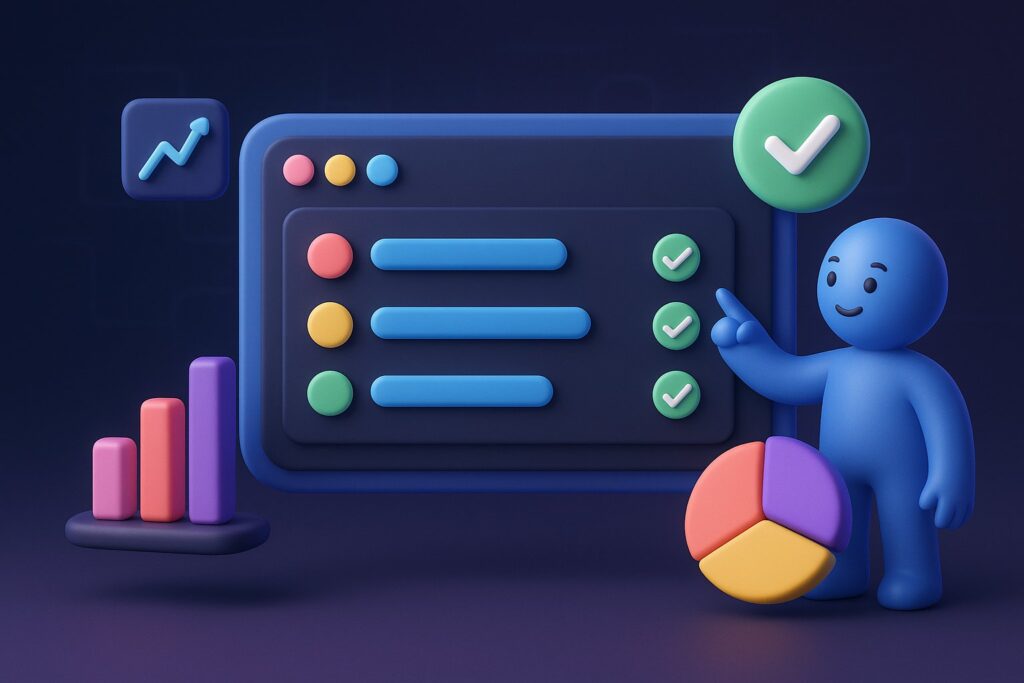
If your team uses Teamly, you’re already halfway there. Teamly makes it easy to assign ownership, track tasks visually, and centralize conversations—so nothing slips through the cracks. One login, total clarity.
4. Normalize Course-Correction
Plans age fast. Market changes? Team changes? Even a new insight mid-project? If your plan doesn’t adapt, it dies. The trick isn’t having a perfect roadmap—it’s building a culture of healthy adjustment.
Ways to do it:
- Monthly retrospectives: Short, honest sessions that ask, “What worked? What didn’t? What do we try next?”
- Open-edit roadmaps: Let teammates suggest changes. Add comment threads to project docs. Invite dissent.
- “Test, then lock” approach: Pilot ideas before institutionalizing. Make iteration part of the strategy.
Most plans don’t fail because they’re wrong. They fail because they were too rigid to grow.

5. Protect the Team’s Energy
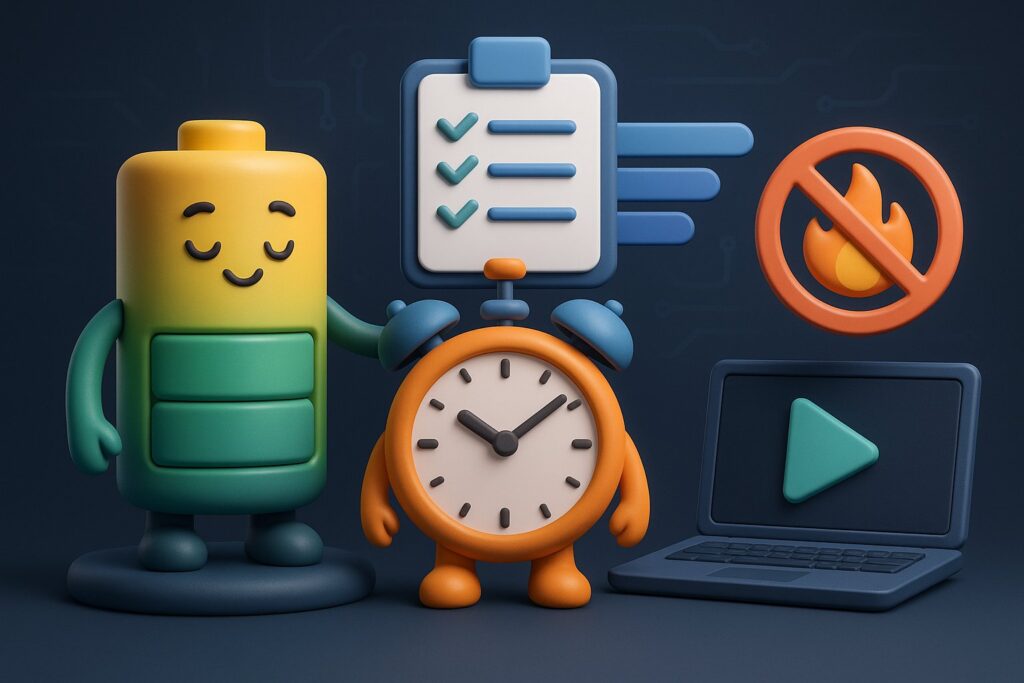
Burnout is execution’s quiet killer. Not resistance. Not laziness. Just slow energy leak, week by week.
Managers who win at execution don’t just push—they protect.
- Start meetings with wins, not problems. The tone sets the temperature.
- Block out “focus windows”: 2-hour weekly blocks where meetings are off-limits and deep work can thrive.
- Rest rituals: Encourage people to step away. Breaks are not slacking—they’re fuel.
High-output teams rest with intention. When energy is protected, speed becomes sustainable—not spiky.
6. Track What Matters—Not Everything
Data is helpful. Too much data is paralyzing. Great execution comes from clarity, not quantity.
Pick 2–3 metrics per project that actually reflect progress. Not vanity metrics. Not “interesting” stats. Just clear signals.
- Leading indicators (like tasks completed, calls made, tickets resolved)
- Lagging indicators (like revenue, churn rate, user engagement)
- Behavioral metrics (like how often the team logs progress or updates their dashboards)
When you track what matters, people know what matters. And what gets measured—yep—gets moved.
7. The Manager’s Job Is to Keep the Flame Alive
You don’t have to be the hero. You don’t have to do it all. But you do have to keep the fire lit. That means:
- Revisiting the goal regularly in conversations, updates, and standups.
- Removing blockers before they become frustration.
- Modeling motion: Even small actions by you set a tone for the team.
This is the invisible work of execution—the little sparks that keep the team warm when enthusiasm cools.
Execution Is What Compounds
The reason great teams feel unstoppable? It’s not the strategy. It’s the compounding of consistent execution. Small actions, taken seriously. Plans followed through. Nudges given at the right moment. Wins stacked quietly, then suddenly.
So don’t just launch. Ship. Then ship again. Make execution your team’s superpower—and watch how momentum builds.