

Click the button to start reading
Key Lessons from Building a StoryBrand 2.0: Chapter 4
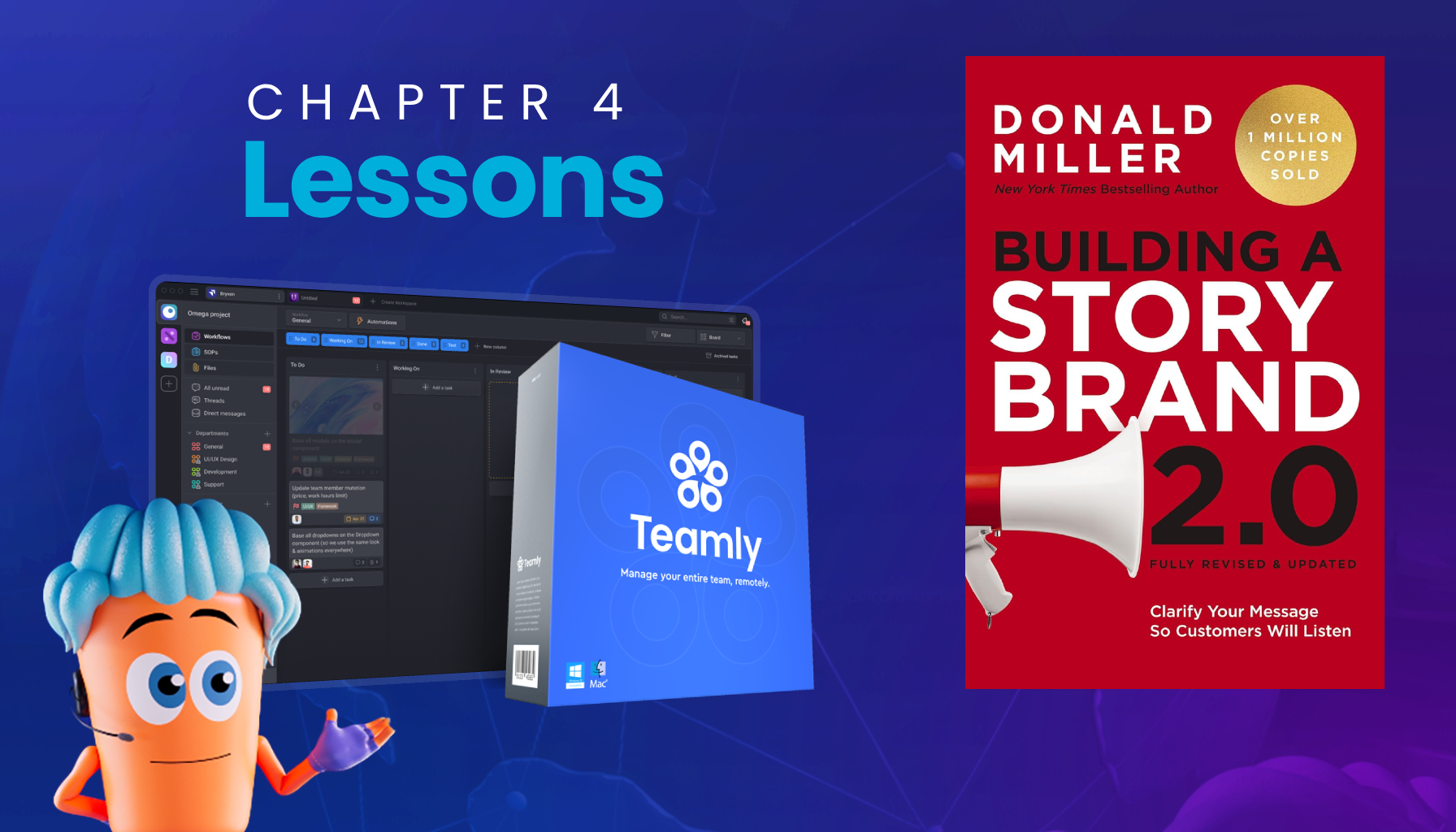
Chapter 4 of Building a StoryBrand 2.0 by Donald Miller dives straight into what makes storytelling—and branding—work. The cornerstone of every successful narrative? The hero. And in business, the hero is not your company—it’s your customer. By defining what the customer wants, brands can craft compelling narratives that keep audiences engaged and motivated to take action.

In branding, customers subconsciously ask, “Can this brand help me get what I want?” Whether it’s saving money, gaining status, or finding rest, clearly articulating this answer is the first step in engaging your audience.
It’s important to remember that storytelling isn’t just a gimmick. It’s a framework that aligns with how people process information.
By presenting your brand as the guide and the customer as the hero, you not only create emotional resonance but also clarity in how your product or service solves their problem. Think about how your brand can answer this fundamental question in all of its messaging and touchpoints.
Defining the Customer’s Desire
Effective storytelling hinges on clarity. The clearer the hero’s desire, the stronger the story.
Miller illustrates this with the case of a luxury resort that shifted its messaging from showcasing facilities to emphasizing its customers’ need for rest and relaxation. A simple phrase—“Find the luxury and rest you’ve been looking for”—transformed their marketing and brought alignment across the organization.
Brands that simplify their messaging invite customers into a clear and defined story. Complex messaging, however, leaves customers confused and disengaged. Take a financial adviser, for example. Instead of listing every service offered, a tagline like “A Plan for Your Retirement” communicates a singular, compelling solution.

Clarity in messaging isn’t just about simplicity—it’s about relevance. Your customers’ desires should be at the center of every headline, tagline, and campaign. Consider crafting micro-campaigns for specific products or services that all connect back to the overarching desire your brand promises to fulfill.
At Teamly, for example, the software focuses on simplifying team collaboration, helping businesses achieve their goals seamlessly. The message is clear: Teamly saves time, fosters collaboration, and drives success, all of which align with the core needs of its users.
Open the Gap: The Power of Story Gaps
A key storytelling technique is the “story gap.” A story gap creates tension between where the hero is now and where they want to be. In the branding world, this might look like highlighting the problem your customer faces and presenting your product as the resolution.
For example, a Mother’s Day campaign might feature the question: “Looking for something Mom will love? We’ve got 20 ideas under $100.” This opens a story gap that’s closed when customers visit the store to discover those 20 gift ideas.
From classical music to poetry, story gaps captivate human attention. Hunger is a gap; food closes it. Luxury brands like Rolex and Mercedes use status gaps, making customers feel that their products can elevate their identity and resolve their aspirations for power or refinement.
The power of a story gap lies in its ability to hook the audience. Whether it’s a product page, a social media ad, or an email campaign, identify the gap between the current state and the desired outcome. Show customers how your brand bridges that gap in a tangible and relatable way.
Survival: The Foundation of Customer Desires
Humans are wired for survival, and this instinct underpins much of what drives customer behavior. Miller identifies several survival-driven desires that brands can tap into, such as:
- Conserving Resources: Walmart’s tagline, “Save Money. Live Better,” resonates with customers by linking savings to their basic survival needs.
- Building Community: Brands that foster connection—like Teamly, which offers software to streamline collaboration—appeal to the human desire for belonging.
- Gaining Status: Luxury brands sell more than products; they sell the promise of status, power, and prestige.

Survival-focused messaging works because it connects with customers on a primal level, making your brand indispensable.
Brands can also address deeper desires tied to survival, such as security, meaning, and generosity. Patagonia, for instance, ties its products to sustainable practices and larger causes, appealing to customers who want to make a positive impact. This creates a sense of purpose beyond the product itself, further strengthening customer loyalty.
The Importance of Clarity in Messaging
Miller stresses that vague or overly complex messaging alienates customers. Brands must answer a single burning question: “Where are you taking your customer?”
Imagine picking up a hitchhiker. The one thing they want to know is, “Where are we going?” Similarly, your customers want to know exactly how your brand will help them achieve their goals. If your messaging isn’t clear, they’ll look elsewhere.
The solution? Simplicity. For instance, the outdoor clothing brand Filson communicates its value with a simple tagline: “Might as well have the best.” By defining your customer’s desire and speaking to it directly, your brand gains clarity, focus, and trust.

Clear messaging doesn’t just benefit customers—it strengthens internal alignment too. When everyone in your organization understands the core message, it’s easier to stay focused and deliver consistent value. Invest time in crafting your message and watch it pay dividends in customer engagement and trust.
Action Steps: How to Apply Chapter 4
Start by defining your customer’s primary desire using the StoryBrand BrandScript framework. This involves identifying the specific problem your customer faces and clarifying how your brand provides the solution. For businesses that use tools like Teamly, aligning your software’s benefits with your customer’s goals can be a game-changer.
Next, simplify your messaging. Focus on one clear, memorable message that highlights your role as a guide helping the customer achieve their goal. Avoid overwhelming them with multiple options or vague promises.
Finally, open a story gap. Show your customers where they are now and where they could be with your product or service. This tension drives engagement and encourages action.
As you refine your approach, remember to continuously test and iterate. What resonates today might evolve as customer needs change. Keeping your finger on the pulse of their desires ensures your brand remains relevant and impactful.
Want to learn more about creating a compelling brand story? Get your copy of Building a StoryBrand 2.0 today.