
Click the button to start reading
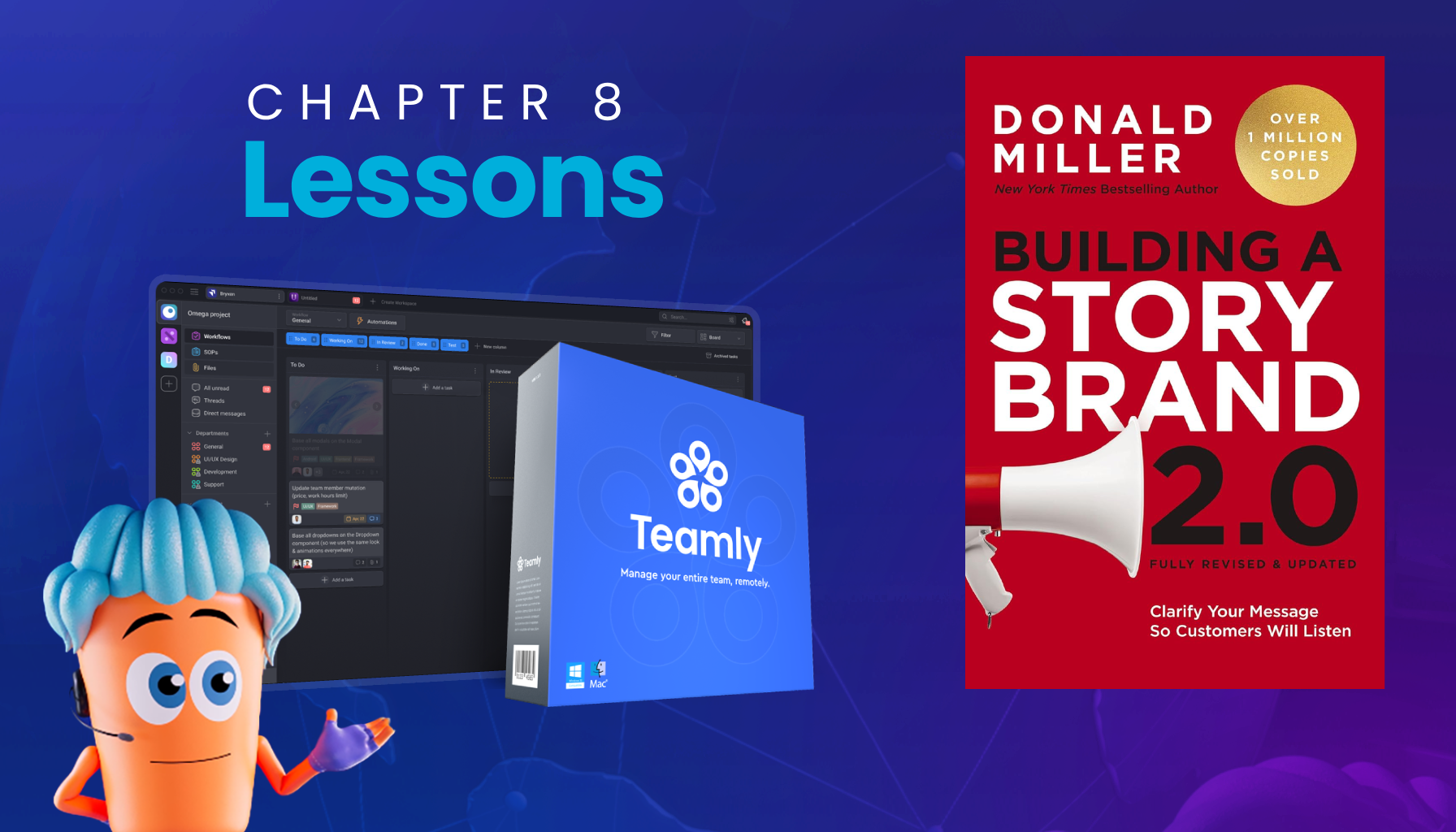
Key Lessons from Building a StoryBrand 2.0: Chapter 8
In Chapter 8 of Building a StoryBrand 2.0, the author emphasizes a critical marketing principle: customers do not take action unless they are challenged.
A clear, actionable call to action (CTA) is the external force that drives customers to make decisions. Without it, even the most compelling narrative or product can fail to inspire action.
Just as characters in stories need an inciting incident to spur them into action, customers need a direct challenge to move forward.
Whether it’s a bold button on your website or an explicit offer in an email, the clarity of your CTA can be the difference between engagement and inaction. Without a clear directive, customers are left uncertain about what to do next, and that uncertainty often translates to lost opportunities.
Think about the last time you were browsing a website. Did a clear button, such as “Get Started” or “Download Now,” draw your attention? If so, that’s a CTA in action.
But imagine if that same website lacked any such direction. Would you have taken the next step, or would you have moved on to another site?
This scenario illustrates the vital role CTAs play in creating a seamless customer journey.

Two Types of Calls to Action
Direct Calls to Action
Direct CTAs are straightforward and aim to drive immediate action. Examples include:
- “Buy Now”
- “Schedule an Appointment”
- “Call Today”
These CTAs are essential for guiding customers who are ready to make a purchase or take the next step. They should be prominently displayed, easy to find, and repeated across touchpoints like your website, emails, and advertisements.
Moreover, direct CTAs must align with the customer’s current stage in their journey.
If someone is ready to buy, a strong “Buy Now” button works wonders. But if they are still evaluating options, a different approach may be necessary. Strategic placement of direct CTAs on product pages, checkout pages, and email campaigns ensures your audience always knows the next step.
Transitional Calls to Action
Transitional CTAs, on the other hand, focus on building trust and nurturing relationships. These CTAs are designed to provide value before asking for a significant commitment. Examples include:
- Offering a free PDF or whitepaper
- Providing a free trial or sample
- Hosting a webinar or live event
Transitional CTAs are like the first steps in a relationship. They allow customers to engage with your brand without feeling pressured, paving the way for future conversions.
A well-executed transitional CTA can transform casual visitors into loyal customers by demonstrating your expertise and providing value upfront.
The book shares an example of offering a free PDF titled “5 Things Your Website Should Include,” which led to thousands of downloads.
At the end of the PDF, there was a CTA for a marketing workshop. The result? Workshop revenue doubled within a year without additional marketing spend. This case study underscores how transitional CTAs can be an invaluable tool for growth.

The Role of Clarity in Marketing
One of the most significant barriers to conversion is vagueness. Passive statements like “Let me know if you’re interested” leave customers confused about the next steps. Instead, a clear, direct CTA eliminates uncertainty and inspires confidence.
Clarity extends beyond the language of the CTA itself. The placement, design, and context all contribute to how effectively the CTA captures attention.
For example, a “Schedule a Call” button prominently displayed on a landing page will outperform a generic “Contact Us” link buried in the footer. The former speaks directly to the customer’s needs, while the latter requires unnecessary effort to interpret.
The book highlights a case where a business saw a dramatic increase in sales after implementing a clear “Schedule a Call” button combined with nurturing follow-up emails. This approach not only guided customers toward a decision but also reinforced trust at every stage of their journey.

Practical Steps to Create Effective CTAs
1. Stake a Claim to Your Territory
Establish your authority by creating valuable resources like whitepapers, video tutorials, or webinars. This positions your brand as a leader in its field and builds trust with potential customers.
For instance, if your company specializes in productivity solutions, offering a guide like “10 Ways to Optimize Your Workflow” can position you as the go-to expert.
2. Create Reciprocity
Generosity fosters loyalty. By offering free value upfront, such as educational content or samples, you encourage customers to reciprocate by engaging further with your brand. This give-and-take dynamic strengthens the relationship and keeps your brand top of mind.
3. Position Yourself as the Guide
Help customers solve their problems and position your product or service as the ultimate solution.
When customers trust you as their guide, they are more likely to follow your recommendations. Positioning yourself as the expert in your field ensures that when customers encounter challenges, they turn to you for solutions.
Practical tools like Teamly can complement these efforts by helping businesses manage their workflows effectively.
By integrating software like Teamly, companies can streamline their processes while focusing on delivering actionable CTAs to their customers.

Defining the Stakes
Every great story has stakes—what the hero stands to gain or lose. In marketing, stakes are the consequences customers face if they choose (or don’t choose) your product or service. Defining these stakes adds urgency and intrigue to your message, compelling customers to act.
For example, a software company might highlight the time wasted without automation or the potential for errors without proper tools.
By defining the stakes, businesses can create a sense of importance around their offerings, making their CTAs even more impactful.
Brainstorming potential stakes and incorporating them into your BrandScript can help refine your messaging. Tools like StoryBrand.AI make this process straightforward, ensuring that every aspect of your communication aligns with your customers’ needs.
Examples and Final Insights
Effective CTAs can take many forms, from direct “Buy Now” buttons to transitional offers like free trials. Whatever the approach, the key is clarity, consistency, and value. Customers respond to brands that understand their journey and provide the right guidance at the right time.
Ready to transform your business with these actionable insights? Grab a copy of Building a StoryBrand 2.0 and start creating CTAs that drive results today!